

From Matt Taibbi and the Twitter Files to DR’s P3 and Danish climate politicians: a new elite no longer sees journalism as a search for truth, but as a tool for steering the public in the “right” direction.




"If liberty means anything at all, it means the right to tell people what they do not want to hear"
George Orwell
From Matt Taibbi and the Twitter Files to DR’s P3 and Danish climate politicians: a new elite no longer sees journalism as a search for truth, but as a tool for steering the public in the “right” direction.

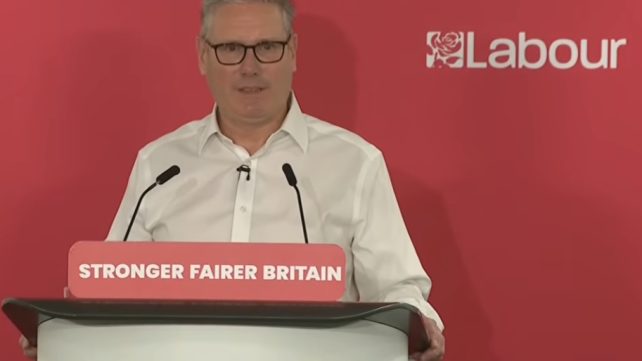
Hundreds of thousands are gathering around Tommy Robinson’s Unite the Kingdom demonstrations in London, yet the movement continues to be met with social ostracism, political distancing and media suspicion. The most remarkable thing about England right now is not the protest alone — but the fact that so many people appear to share its concerns without daring to acknowledge them publicly.
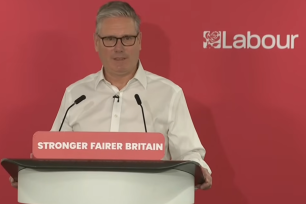
As the protest movement in England grows explosively, politicians and the media continue to reduce the country’s turmoil to economics, populism and “far-right agitators” who must be controlled and censored. But beneath the surface, a far deeper distrust of institutions, police and media is smouldering — and it is becoming increasingly difficult to ignore.

After yet another assassination attempt against Donald Trump, the temptation is once again to blame political rhetoric for political violence. But free speech also protects speech that is ugly, hateful and hysterical — precisely because the alternative is far more dangerous.
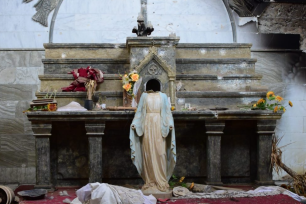
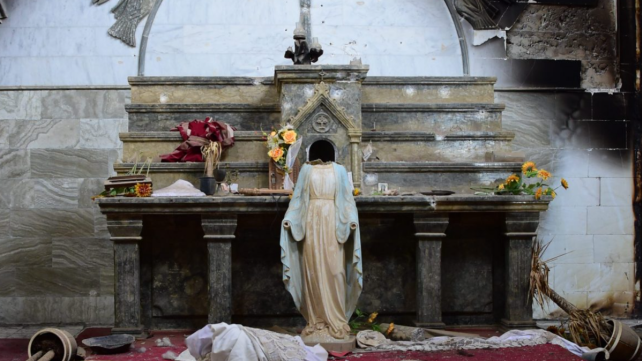
The Danish Free Press Society’s invitation to speak about persecuted Christians is declined — citing “political considerations” and partner organisations
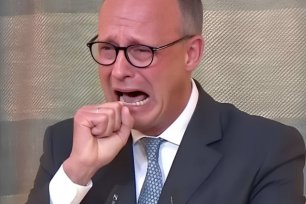
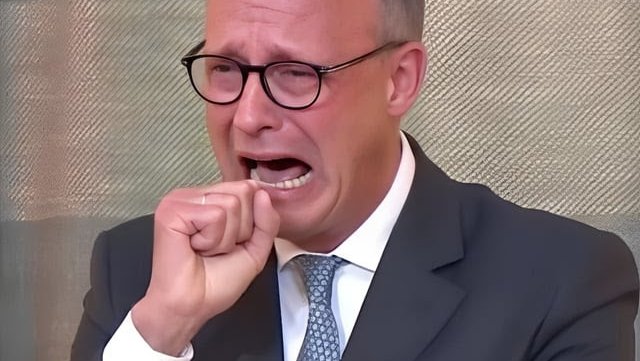
The German Chancellor complains about criticism on social media, even as his extensive use of criminal complaints against citizens for “insults” raises serious questions about democratic principles and the exercise of power among Germany’s political elite.
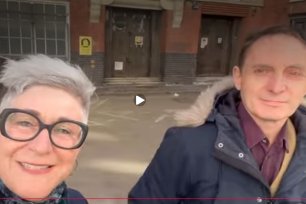
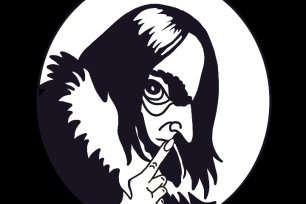
Die Gesellschaft für Meinungsfreiheit Dänemarks - Trykkefrihedsselskabet - gratuliert dem königlichen und kaiserlichen Ministerpräsidenten Schleswig-Holsteins ganz herzlich zur großen Ehre des Grima Schlangenzunge-Preises 2026
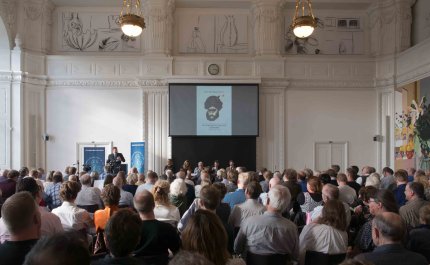
Freedom of expression is under tremendous strain. Nationally and globally, writers, artists and politicians are threatened upon their lives and/or with their livelihoods, or sued in court for expressing particular views. Fear, self-censorship and oppressive anti-defamation laws are in the process of undermining our main liberty: Freedom of expression.
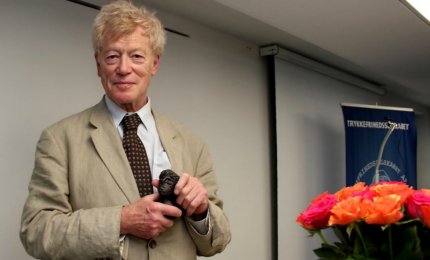
The Free Press Society’s freedom of expression prize, the Sappho Award, is awarded to a person who has shown uncompromising courage in the struggle for the free word.
